Concussion and Vision: Hidden Eye Symptoms After a Head Injury

Have you ever hit your head, felt a headache for a day or two, and simply moved on?
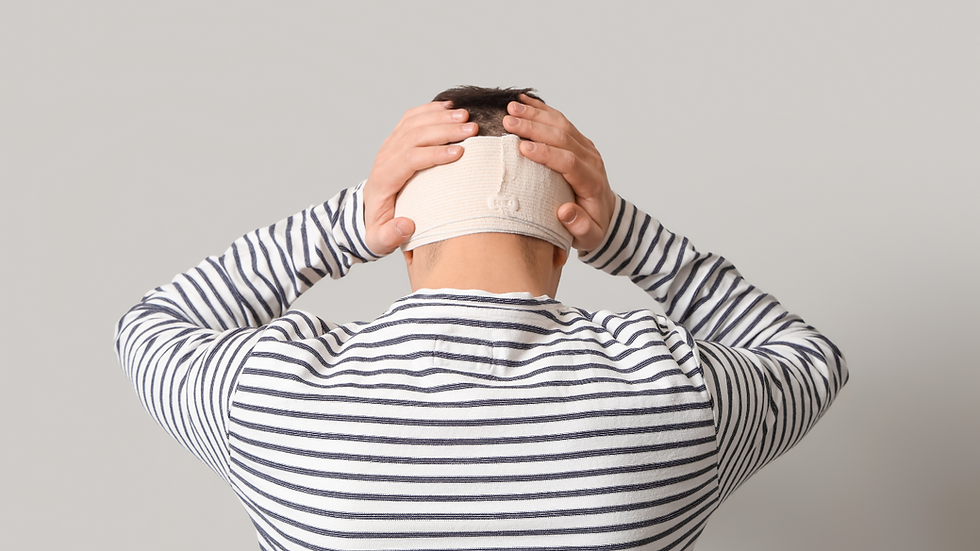
How a concussion can affect vision, reading, balance, and visual comfort
A concussion is a type of traumatic brain injury (TBI) that can affect how the brain processes visual information. You do not need to lose consciousness to have a concussion. After a head injury, symptoms such as blurred vision, headaches while reading, light sensitivity, double vision, dizziness, and difficulty concentrating can indicate that the visual system has been affected.
These symptoms are easy to mistake for fatigue, stress, migraines, or eye strain. Understanding the connection between concussion and vision can help you recognize when an eye examination is appropriate.
What Is a Concussion?
A concussion occurs when a force causes the brain to move rapidly within the skull. Common causes include:
Sports injuries
Falls
Car accidents
Cycling accidents
Workplace injuries
Direct blows to the head
Whiplash or sudden acceleration and deceleration
Loss of consciousness is not required for a concussion. Symptoms can appear immediately or develop after the injury.
How Can a Concussion Affect Vision?
Vision depends on communication between the eyes and brain. After a concussion, this visual system can be affected even when the eyes themselves appear healthy.
Common vision symptoms after a concussion include:
Blurred or fluctuating vision
Double vision
Light sensitivity
Headaches during reading
Eye strain or fatigue
Difficulty focusing
Trouble tracking moving objects
Difficulty concentrating on visual tasks
Dizziness or motion sensitivity
Difficulty driving or navigating busy environments
A standard eye chart measures visual clarity, but 20/20 vision does not rule out every concussion-related visual problem. Visual function also involves eye movements, focusing, binocular vision, and visual processing.
Why Reading Can Become Difficult After a Concussion
Reading requires both eyes to work together while continuously focusing and moving across a page or screen. If these visual functions are disrupted after a concussion, reading can trigger:
Headaches
Blurred or moving words
Eye fatigue
Loss of concentration
Difficulty maintaining focus
These symptoms can interfere with school, work, screen use, and everyday activities.
When Should You Have an Eye Examination?
Consider a comprehensive eye exam after a head injury if you experience persistent:
Blurred or double vision
Headaches during reading
Light sensitivity
Eye strain
Difficulty focusing
Dizziness during visual activities
Trouble tracking moving objects
Difficulty driving or using screens
A comprehensive examination evaluates eye health and visual function. For patients with ongoing symptoms following a concussion, a Neuro-Optometric Assessment provides a more detailed evaluation of how the eyes and brain work together.
Can Concussion-Related Vision Problems Be Managed?
Yes. Management depends on the specific visual problems identified during the assessment. Your optometrist can determine whether visual dysfunction is contributing to your symptoms and recommend appropriate care or referral when needed.
Because concussion recovery involves the brain as well as vision, coordination with your physician and other healthcare professionals is important when appropriate.
Don't Ignore Changes in Vision After a Head Injury
A concussion does not always cause dramatic symptoms. Persistent headaches while reading, light sensitivity, blurred vision, dizziness, or difficulty concentrating can interfere with daily life and deserve attention.
At LivingHope Vision Clinic in Hamilton and Burlington, our eye care team provides Comprehensive Eye Exams and Neuro-Optometric Assessments for patients experiencing visual concerns following a concussion or head injury.
If your vision has changed after a head injury, book an eye examination and have your visual system properly assessed.


Comments