Workplace Eye Injuries: Common Hazards and How to Protect Your Eyes

Workplace eye injuries can occur in construction, manufacturing, welding, healthcare, laboratories, landscaping, maintenance, and general labour.
Common hazards include flying particles, chemical splashes, sparks, intense light, dust, and debris from tools or machinery. The correct protective eyewear depends on the task and the specific hazard.
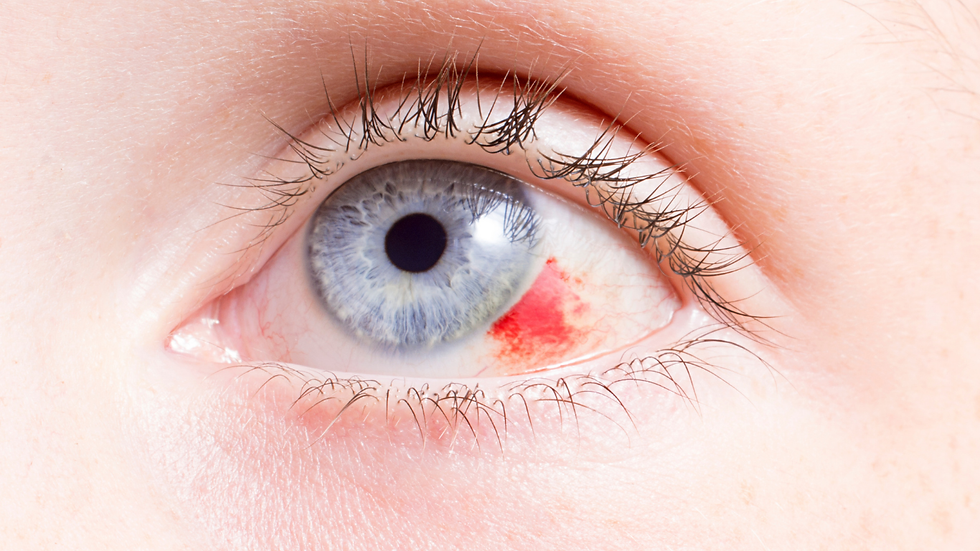
Common Workplace Eye Injuries
Welder’s Flash
Welder’s flash, also called photokeratitis or arc eye, occurs when ultraviolet radiation from a welding arc irritates or damages the cornea. Symptoms can appear several hours after exposure and include:
Eye pain or burning
Redness and tearing
Gritty sensation
Light sensitivity
Blurred vision
Welders and nearby workers can be exposed to direct or reflected welding radiation.
Corneal Abrasions and Foreign Bodies
Dust, metal, wood, glass, and other particles can scratch the cornea or become trapped under the eyelid. This can happen during grinding, cutting, drilling, machining, sanding, landscaping, or other tasks.
Symptoms include eye pain, redness, tearing, light sensitivity, a foreign-body sensation, and blurred vision.
If something enters your eye:
Do not rub it.
Do not use tweezers, tools, or other objects to remove it.
Rinse gently with clean water or sterile saline.
Seek prompt eye care
Never attempt to remove an object embedded in the eye.
Serious Eye Injuries
High-speed particles, forceful impacts, and chemical exposure can cause serious damage.
Seek emergency medical attention for:
Severe eye pain
Sudden or significant vision changes
Bleeding or a visible wound
A foreign object embedded in the eye
Chemical exposure
Sudden flashes, floaters, or a dark curtain across your vision
Sudden vision loss
Do not rub or press on the eye after a serious injury. For chemical exposure, begin flushing the eye immediately with clean water or eyewash while arranging emergency eye care.
Choosing the Correct Eye Protection
Protective equipment must match the workplace hazard. Depending on the task, this may include:
Safety glasses with side shields
Impact-resistant goggles
Chemical splash goggles
Face shields
Welding helmets and properly rated filters
Protective screens and barriers
Prescription safety eyewear
Regular glasses, contact lenses, and ordinary sunglasses do not replace approved protective eyewear. Inspect safety equipment regularly and replace anything that is scratched, cracked, damaged, or does not fit securely.
When Should You Seek Eye Care?
Stop working and arrange prompt eye care if you experience persistent eye pain, redness, tearing, light sensitivity, blurred vision, discharge, or a foreign-body sensation after a workplace incident.
LivingHope Vision Clinic provides assessments for workplace-related eye concerns, including welder’s flash, corneal abrasions, foreign-body exposure, chemical irritation, and blurred vision after an injury.
If you experience eye symptoms after a workplace incident, book an urgent eye exam with LivingHope Vision Clinic in Hamilton or Burlington.
This information does not replace workplace first-aid procedures, emergency care, or occupational health and safety guidance.


Comments