Fall Dry Eye: 6 Common Causes and How to Get Relief

As fall arrives in Hamilton and Burlington, cooler temperatures, dry air, wind, indoor heating, seasonal allergies, and increased screen use can worsen dry eye symptoms. Dry eye occurs when tears do not adequately lubricate and protect the surface of the eye.
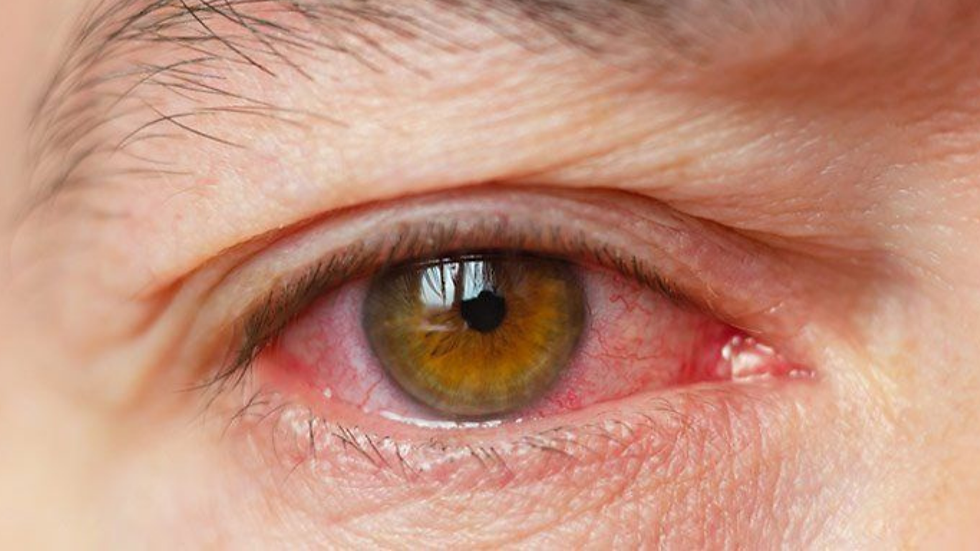
Common symptoms include dryness, burning, redness, grittiness, irritation, watery eyes, and fluctuating vision.
Why Are Dry Eye Symptoms Worse in Fall?
Your tears form a protective tear film over the eye. Every blink spreads this film across the cornea. Fall weather and seasonal changes can make the tear film evaporate faster, leading to dryness and irritation.
1. Cold, Dry, and Windy Weather
Cold, dry, and windy conditions increase tear evaporation and can leave your eyes feeling dry, gritty, or watery. Wind can also carry dust, leaves, and pollen toward the eyes, causing irritation.
Tip: Wear close-fitting glasses or wraparound sunglasses outdoors to protect your eyes.
2. Indoor Heating
Furnaces and heating systems lower indoor humidity, which worsen dry eye symptoms.
Tip: Using a humidifier to add moisture to the air.
3. Increased Screen Time
People blink less frequently when concentrating on computers, tablets, and phones.This causes Dryness, burling, and fluctuating vision
Tip: Follow the 20-20-20 rule: every 20 minutes, look 20 feet away for 20 seconds. Remember to blink fully and regularly.
4. Fall Allergies
Seasonal allergies can cause itchy, red, and watery eyes.
Tip: Avoid rubbing your eyes, as this makes irritation worse and damages the eye surface.
5. Contact Lens Wear
Prolonged contact lens wear can increase discomfort. Remove contact lenses if your eyes become red, painful, uncomfortable, or blurry.
6. Existing Dry Eye
Fall weather can worsen an existing dry eye condition. Dry eye is associated with factors such as reduced tear production, contact lens wear, screen use, and eyelid or ocular surface problems.
If symptoms continue, an eye examination can help identify the cause and determine the most appropriate treatment.
How to Get Dry Eye Relief in Fall
Simple changes can improve eye comfort:
Protect your eyes: Wear glasses or wraparound sunglasses outdoors to reduce exposure to wind, dust and pollen.
Add indoor moisture: Use a humidifier and avoid directing heating vents blowing directly toward your face.
Take screen breaks: Follow the 20-20-20 rule and blink regular
Stay hydrated: Drink enough fluids throughout the day.
Use artificial tears: Lubricating eye drops can relieve dry eye symptoms. Follow product directions.
Follow professional treatment: Depending on the cause, treatment can include artificial tears, warm compresses, eyelid hygiene, or other recommended therapies.
When Should You See an Eye Doctor?
Schedule an eye examination if you have persistent dryness, burning, redness, watery eyes, blurred or fluctuating vision, light sensitivity, ongoing irritation, or contact lens discomfort.
A dry eye assessment evaluates the tear film, cornea, eyelids, and ocular to identify the cause of your symptoms and recommend treatment .
Keep Your Eyes Comfortable This Fall
Wind, dry air, indoor heating, allergies, screen use, and contact lens wear can all contribute to fall dry eye symptoms. Persistent symptoms should be assessed rather than ignored.
LivingHope Vision Clinic Hamilton & Burlington
Our eye care team provides dry eye assessment and management based on the specific factors affecting your eyes.
If persistent dry eye symptoms are affecting your comfort or vision, book a comprehensive eye examination at LivingHope Vision Clinic in Hamilton or Burlington.


Comments